
01 / Second life
Second-life batteries.
Moduvolt helps teams understand whether an EV battery, pack or module has a credible second-life route and what it takes to move from available hardware to a dependable application.
The market
A market in transition.
More batteries are returning from the field. The next step is to understand what each one can safely and credibly become.
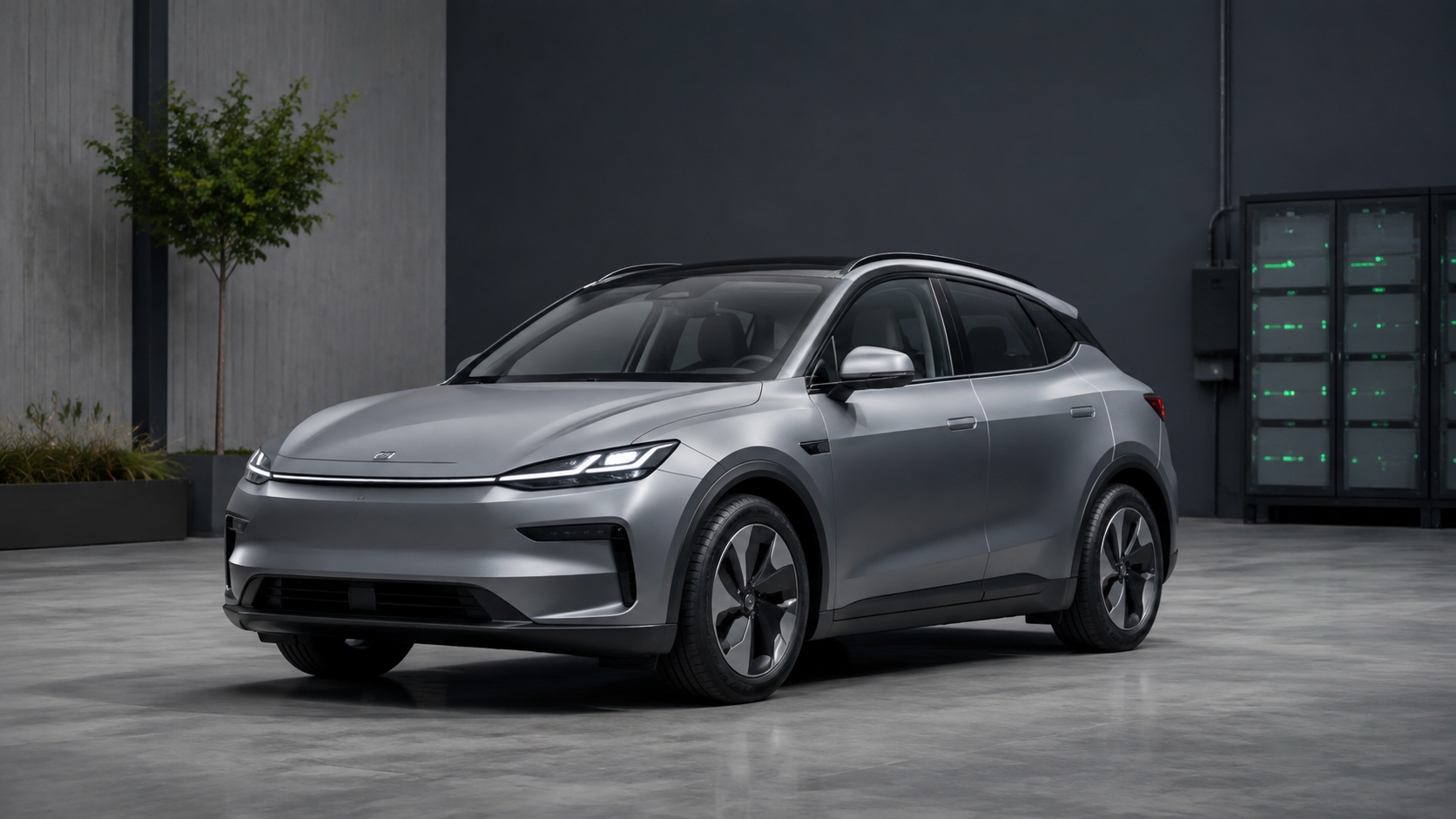
The EV battery market is moving from rapid vehicle deployment into a broader lifecycle phase. As more electric cars, vans and trucks return from the field, batteries will enter several different streams: warranty replacements, accident recovery, vehicle refurbishment, fleet renewal, dismantling and eventual end-of-life treatment. Many of these packs are not immediately waste. Some retain useful energy and power capability, while others may be better suited for component recovery or recycling. The important question is not simply whether a battery still works, but whether its condition, chemistry, design, traceability and safety profile match a new application.
This creates a growing need for assessment and sorting. Battery availability can be uneven, data may be incomplete, and packs from different vehicles can vary widely in format, software, cooling, service history and state of health. New battery prices, transport requirements, warranties, fire safety and regulatory responsibilities all influence whether reuse is commercially sensible. The second-life market is therefore developing alongside the used-EV and recycling markets, not separately from them. At ModuVolt, we help customers turn returning EV batteries into informed decisions: identify what is available, build evidence around its condition, evaluate realistic applications and define a route to reuse, repurposing or recycling.
Market context is informed by the IEA Global EV Outlook 2026 and EU Joint Research Centre work on second-life batteries.
How we work
A clear route to the next step.
Each engagement is scaled to the decision in front of you, from an early expert review to a structured development package.
- 01
Frame the use case
Define the decision, operating profile, constraints and success criteria.
- 02
Build the evidence
Review available battery data and identify the checks required to close critical gaps.
- 03
Choose the route
Compare practical reuse options and document the preferred technical and commercial direction.
- 04
Prepare execution
Translate the decision into interfaces, activities, responsibilities and a staged implementation plan.
Potential applications
Practical second-life support.
Explore battery reuse alongside intermittent generation and local energy needs.
Assess duty cycles that reduce short-duration demand or support site power limitations.
Evaluate storage concepts that complement charging loads and constrained connections.
Define appropriate roles for second-life assets in continuity and reserve concepts.
Structure an evidence-building project before larger investment or industrialisation.
Build a repeatable decision model for fleets or recurring battery streams.
Start a conversation
Have batteries looking for their next job?
Tell us what hardware and information you have. We can help define the first useful decision.